Why Keys Snap Inside Locks — and Why the Lock Type Matters
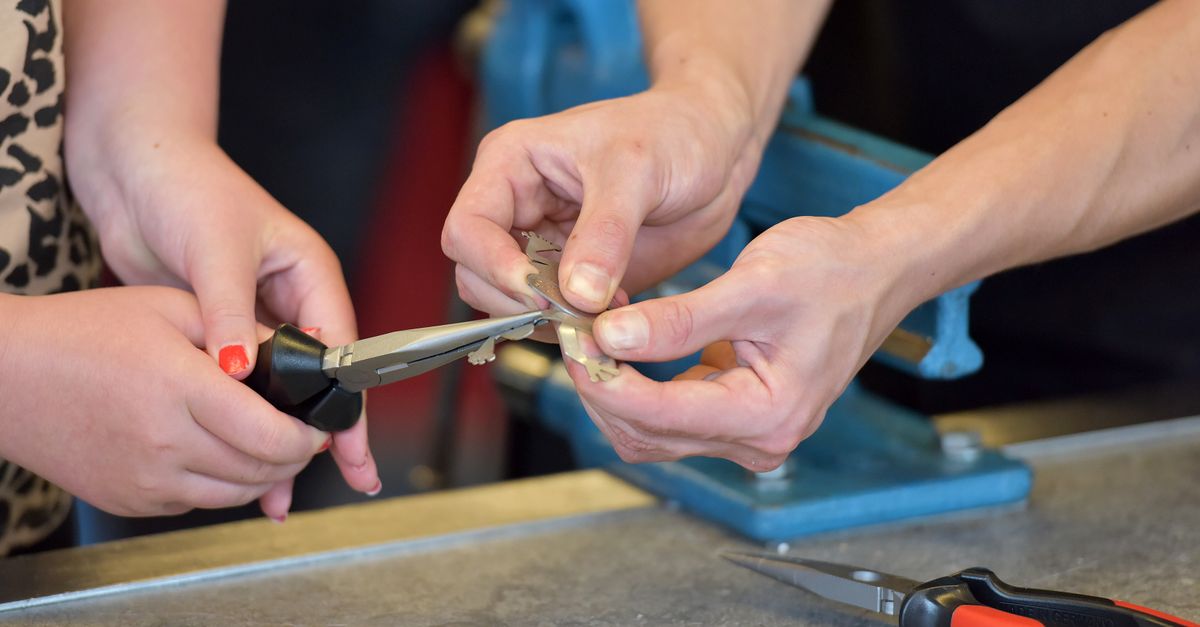
Keys break inside locks for a predictable set of reasons: years of wear that thin the blade at its weakest point, a lock cylinder that hasn't been lubricated and forces the user to apply torque the key was never designed to handle, or a key that was cut from a blank that was already fatigued. Cold snaps and the humid South Carolina summers both accelerate metal fatigue, meaning cylinders swell and contract, adding stress every time the key turns. By the time a key actually snaps, it has usually been flexing invisibly for weeks.
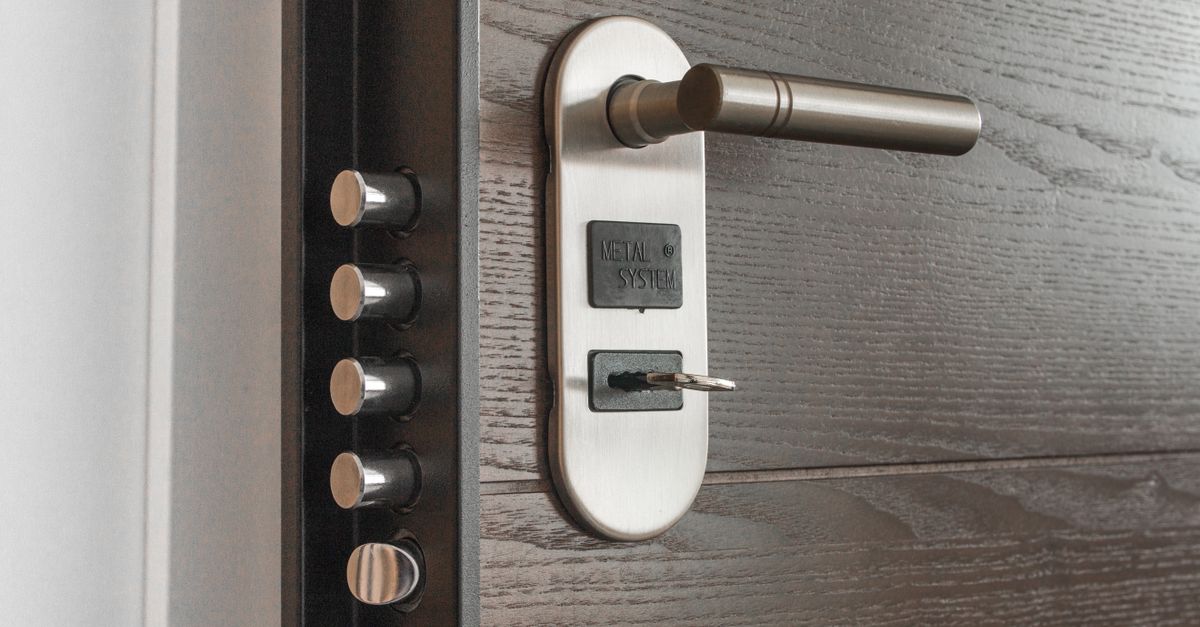
The type of lock involved changes everything about how extraction is approached. A mortise lock — the heavy-duty rectangular lock body you find recessed into the edge of commercial doors, older residential doors, and many mixed-use buildings along Irmo's busier corridors — has a deeper, more enclosed cylinder than a standard door knob lock or a deadbolt. Extracting a fragment from a mortise lock cylinder requires specific tools and an understanding of how the cylinder sits within the lock body, because pulling the fragment incorrectly can jam the cam or tailpiece deeper inside. Our technicians work on mortise locks regularly and treat them as the precision hardware they are.