
What Is a Mortise Lock and Why Do Irmo's Older Homes Have Them?
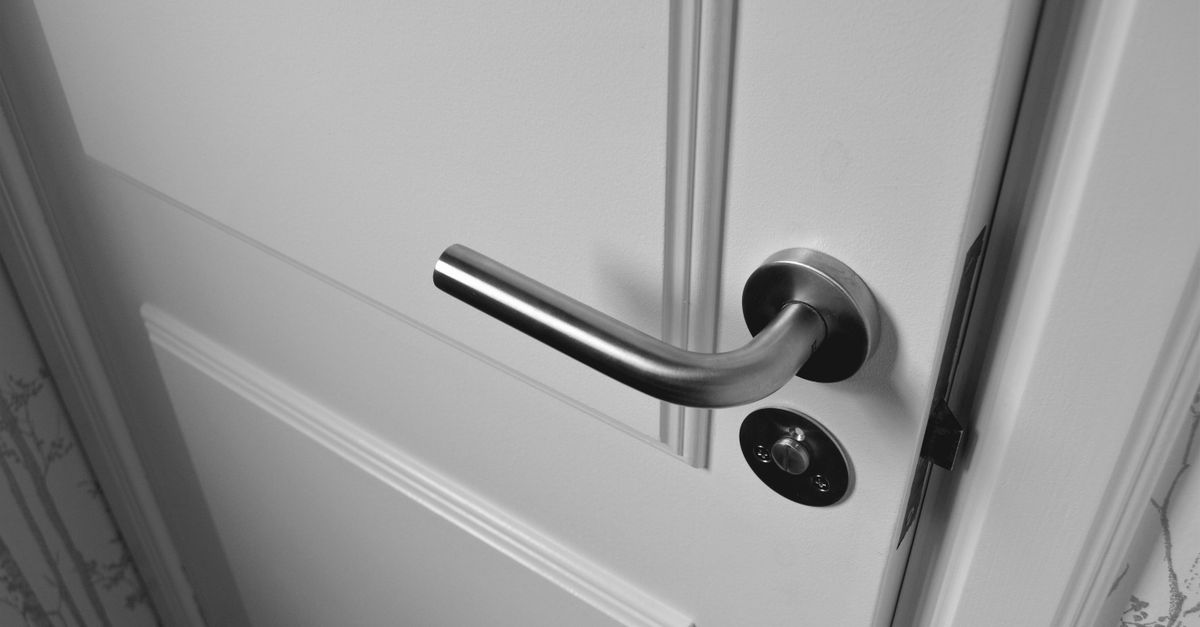
A mortise lock differs fundamentally from the surface-mounted cylindrical locks found on most modern doors. The entire mechanism — spring latch, deadbolt, and chassis — is recessed into the door body itself, making the lock far more resistant to forced entry and far more complex to service. The exterior face typically features a separate mortise lock cylinder that accepts the key, while a thumb turn or lever controls the latch from inside. High-quality heritage brands like Corbin Russwin and Baldwin built mortise lock sets that were standard on quality residential and commercial doors through the mid-20th century, and both brands remain respected choices for replacement hardware today. Baldwin mortise lock hardware in particular is still specified on upscale new construction for exactly the same reason it was popular decades ago: the mechanism is robust, the finish options are extensive, and the security profile is excellent. Irmo's housing stock reflects this history — if your home was built before 1985 and has lever-style door hardware with a large escutcheon plate, there is a good chance a mortise lock is buried inside that door edge.
The challenge is that these locks were never designed to be DIY-serviced. The internal components — cams, springs, bolt cases, and the mortise lock cylinder itself — are tightly integrated, and removing them incorrectly can split an old door stile, strip mounting screws from aged wood, or leave the door inoperable. Our technicians have hands-on experience disassembling, lubricating, re-pinning, and rebuilding these mechanisms without damaging the door or the surrounding trim. When a full replacement is necessary, we source compatible hardware and install it cleanly, preserving the door's structural integrity.